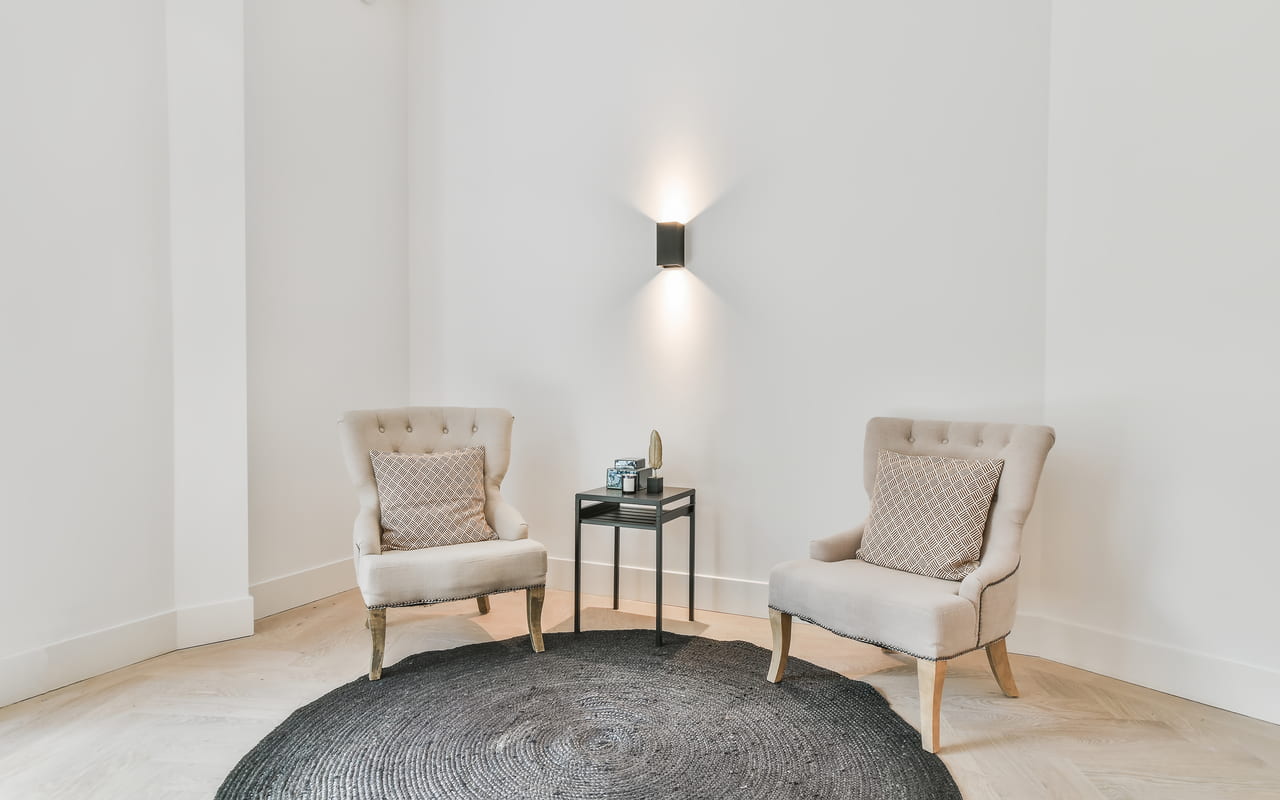
The idea of a group can feel daunting: a circle of strangers, all looking at you. In practice, the first evening is gentle, and most people say less than they expected and feel better than they hoped.
Groups bring together six to eight people working on something similar, such as anxiety, grief or a big change. Hearing others put your thoughts into words is powerful.
A therapist leads every session and keeps it safe. There are clear agreements about privacy, and you only share what you choose to.
Almost everyone sits by the door on the first night. By the third week, most have moved into the circle without noticing.
Owen Fischer, LPC, from the room
What people say on the first night
First evenings tend to be quiet. These are the kinds of things people say when they are ready.
"I'm just going to listen tonight."
Completely fine. Listening is taking part.
"I thought I was the only one."
The most common thing said in any group.
"I'm not sure why I'm here yet."
You do not need to know. Coming is enough.
"That is exactly how it feels for me."
Recognition is where groups begin to help.
How an evening runs
Each evening has a simple shape, so you always know what comes next.
A short welcome and a reminder of the group agreements.
A check-in where each person can say a sentence, or pass.
A theme or exercise led by the therapist.
A closing round, so nobody leaves mid-thought.
Groups run for eight or ten weeks, ninety minutes each, and cost much less than individual sessions.
In a group, you learn that your struggle isnotunusual.
What to bring
Yourself, and nothing you need to prepare.
A drink if you like; we have tea and water.
An open mind for the first two weeks.
A notebook, if writing helps you think.
We run groups for anxiety, grief, new parents and men's health through the year.