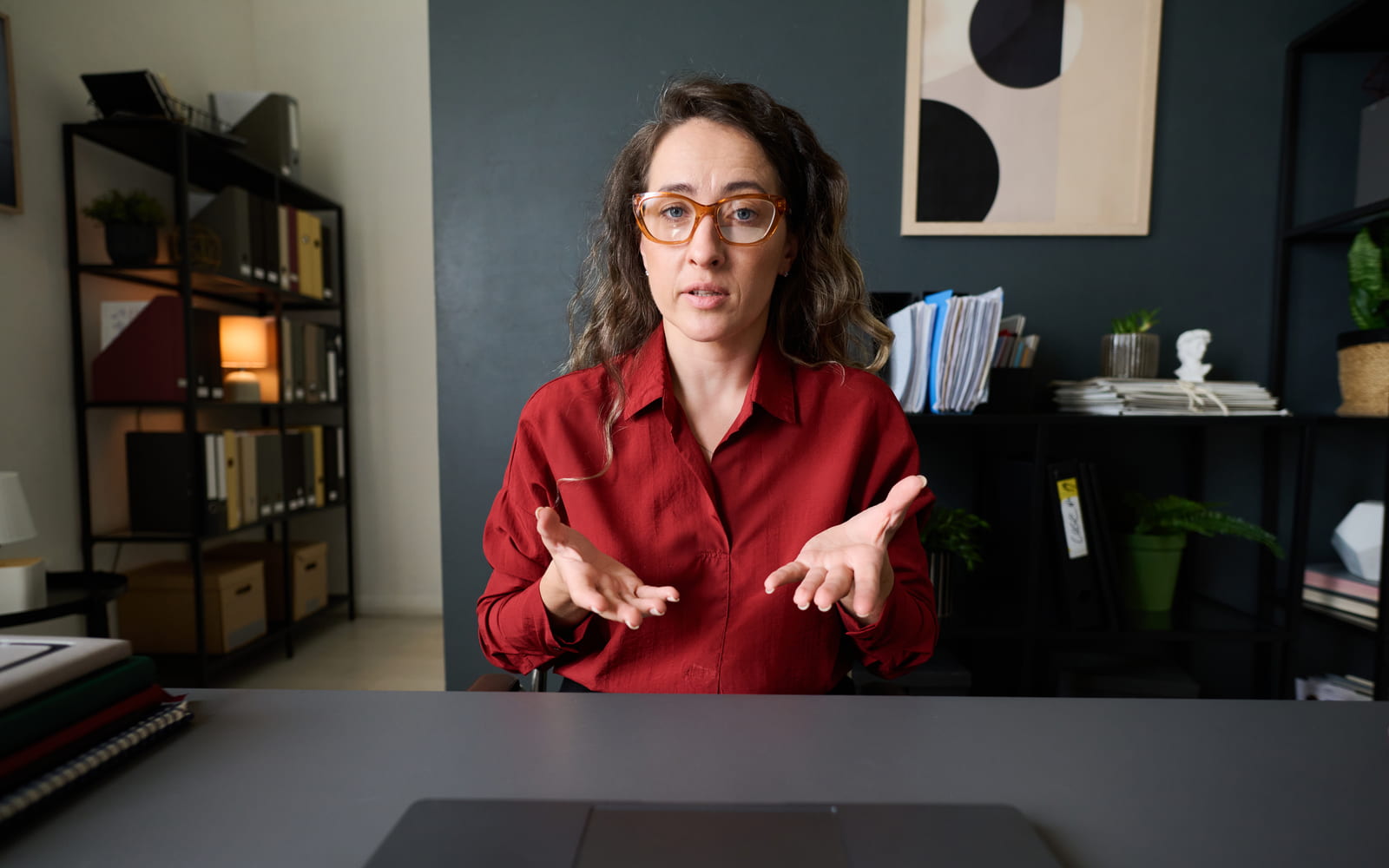
Men often arrive at a first session apologising for taking up time. Most have been carrying something for years, told themselves it would pass, and kept going until it became too heavy to ignore.
Many men learned early that problems are for solving alone. Asking for help can feel like failing, even when it is the most practical choice available.
So the signs come out sideways: short temper, long hours, more drinking, poor sleep, feeling flat. They are easy to explain away for a long time.
The men I see are rarely weak. They are usually the strong ones, who have been holding everything up for everyone else.
Marcus Bell, LCSW, from the room
What finally brings men in
When we ask what finally made them call, men tell us things like these.
"My partner said she was worried about me."
Often the first push comes from someone close.
"I snapped at my kids and hated myself for it."
A moment that shows something has to change.
"I couldn't sleep for weeks."
The body often speaks before the words do.
"I just wanted someone neutral to talk to."
Not family, not work. Just room to think.
What a first session is like
A first session is a conversation, not an interrogation. Your therapist might ask:
What has been weighing on you most lately?
How long has it felt this way?
How are your sleep, drinking and energy?
What would you like to be different?
Therapy can be practical and focused. Many men prefer a clear plan and specific goals, and we are happy to work that way.
Asking for help is not giving up. It is takingcharge.
What to bring
A rough idea of what is bothering you.
Any questions about fees or how long it takes.
Your insurance card, if you plan to use it.
Nothing else. We will do the rest together.
Evening and online sessions make it easier to fit therapy around work.