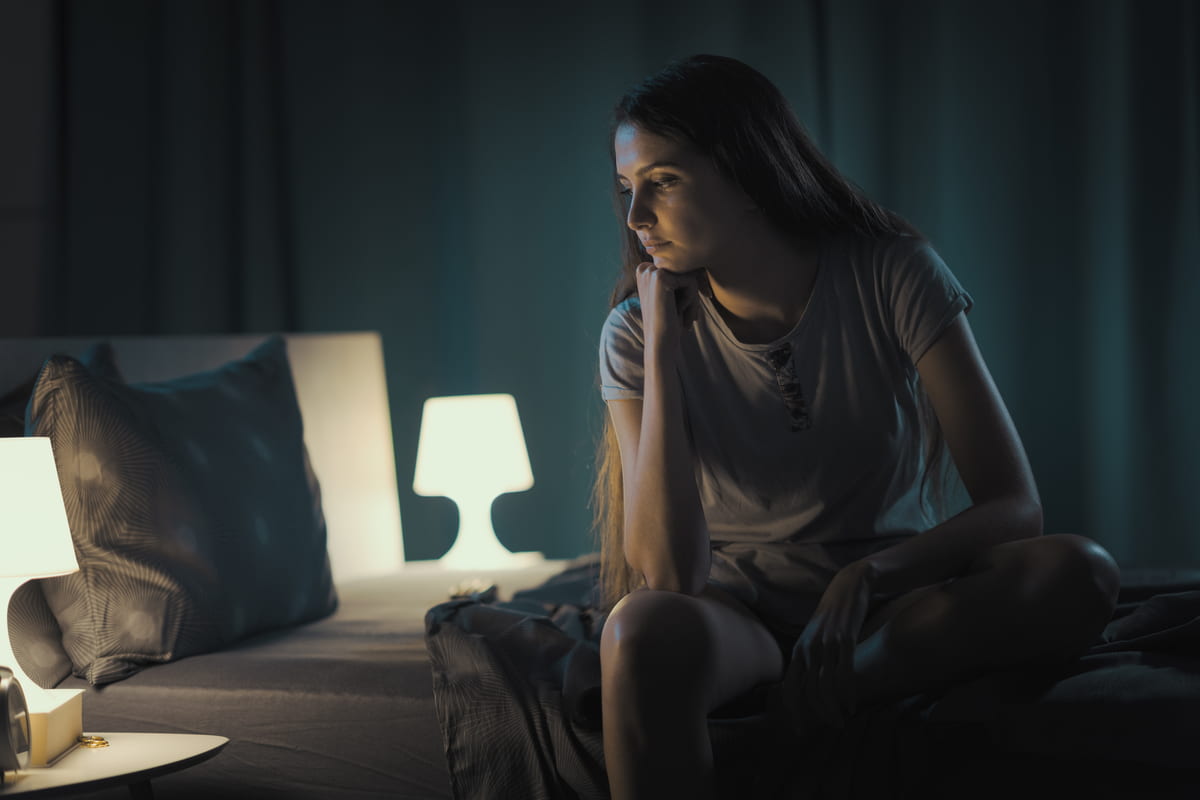
You wake suddenly, heart pounding, sure that something is wrong. Panic at night is common and frightening, and it is not dangerous. Knowing what is happening is the first step to calming it.
Panic is your alarm system firing without a fire. Adrenaline speeds the heart, sharpens breathing and floods the body with energy meant for running.
At night there is nothing to run from, so the energy has nowhere to go. That is why it can feel like a heart attack, even though the heart is healthy.
The most useful thing I teach is that panic always peaks and falls. It cannot keep rising, even when it feels like it will.
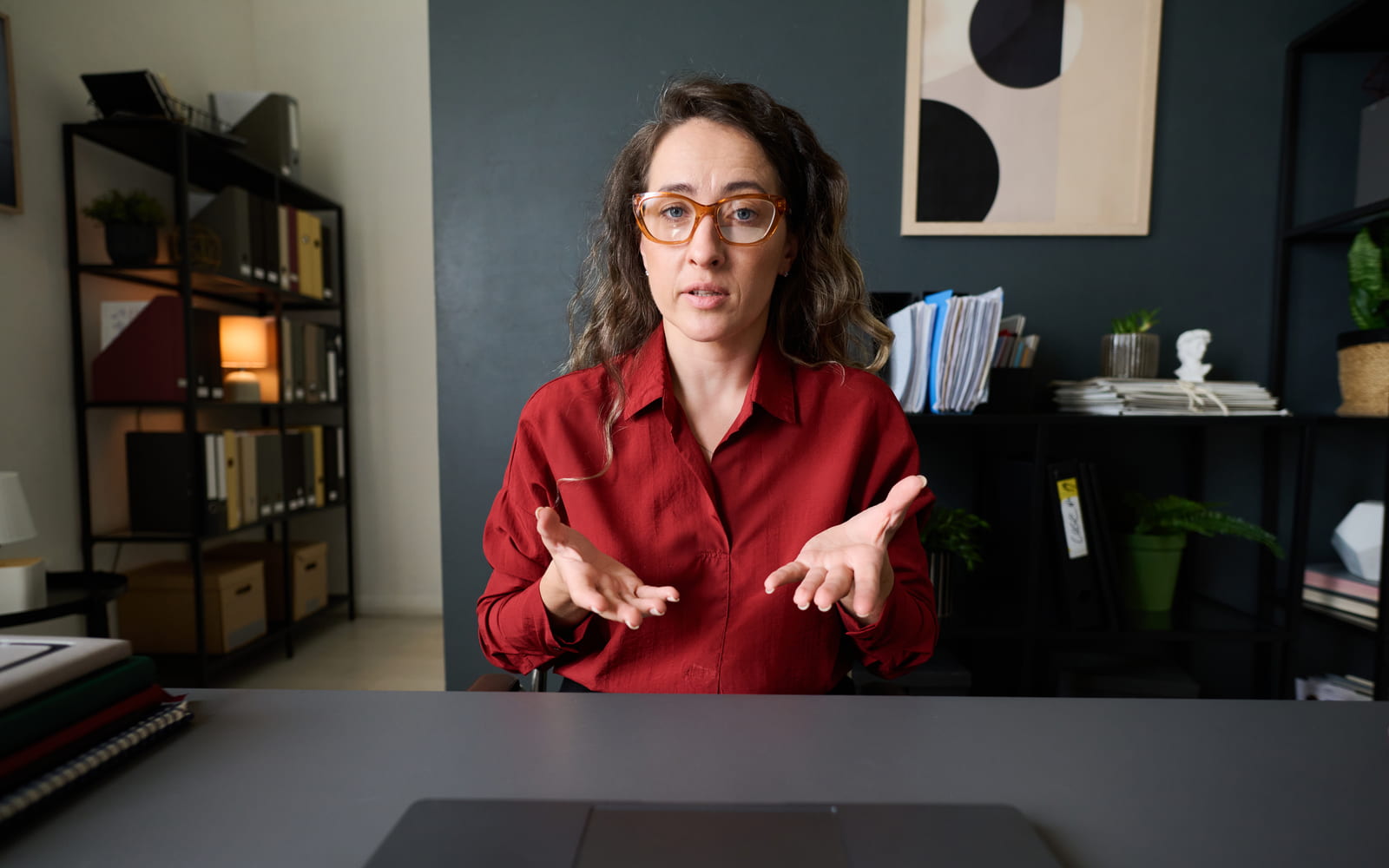
Grace Okafor, PsyD, from the room
What to tell yourself
Fighting panic tends to feed it. These lines help you let it rise and fall instead.
"This is panic. It is not danger."
Naming it calms the part of you that is searching for a threat.
"It will peak and then it will pass."
Most attacks fade within ten to twenty minutes.
"I do not need to stop this, just ride it."
Less struggle means less fuel for the alarm.
"My body is doing its job, too loudly."
A kinder way to see a racing heart.
Three things to try
When you wake in panic, try these in order. None needs any equipment.
Breathe out slowly for six counts, in for four, ten times.
Hold something cold, like a glass of water, and notice it.
Sit up, put your feet on the floor and name five things you see.
Once it eases, read a page of something dull rather than your phone.
If panic comes often, keep a short note of when it happens. Patterns around caffeine, alcohol, sleep and stress help your therapist find what feeds it.
Panic feels endless from the inside. From the outside, it always hasanend.
What to keep by the bed
A glass of water on the bedside table.
A soft lamp you can switch on easily.
A short card with your breathing count on it.
A book you have read before, for after.
Panic responds very well to therapy, often within a few months.
If you have chest pain for the first time, or symptoms you are unsure about, see a doctor first. Ruling out a physical cause brings real peace of mind.
If you are in crisis, or have thoughts of harming yourself, call or text 988 at any hour.