Eleven days early: how the private list changes the first offer
Four of this year’s eleven sales were agreed before a public entry existed. The first offer on those four came in higher, and it came in faster.
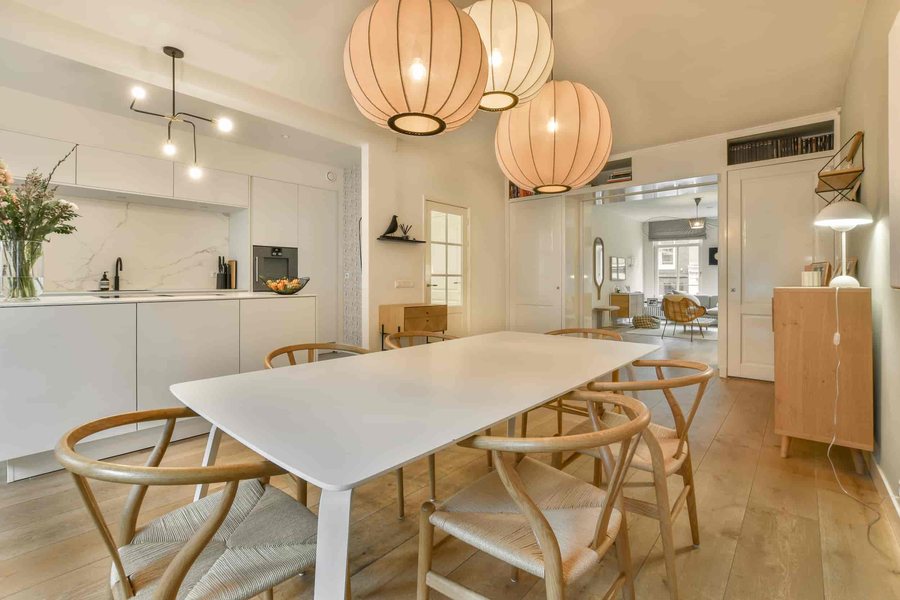
The sitting room at Lot 07, photographed for the private list a fortnight before launch
4
of 11
Sales agreed before a public entry
3.1
%
Above guide, the median first offer from the list
6
Days, median from particulars to first offer
The claim
“Buyers wait for the portal, so a private list only delays the sale.”
It is the objection we hear most often from vendors who have sold before. The portal is where buyers look, the argument goes, so eleven days without it are eleven days lost. The figures from this year say the opposite, and they say it clearly.
The buyers on the list are not browsing. Each one registered with proof of funds and a sentence about what they want, and each particular goes only to the people it suits. When a house arrives that matches the sentence, they ring the same week. The first offer comes from someone who has already decided the house is theirs to lose.
What we did
Eleven houses, eleven days each, and the same particular sent to every buyer it suited.
Every instruction this year went to the private list before the public entry, with nothing held back: the same particular, the same guide, the same photographs. Four vendors accepted an offer inside the window. The other seven launched as planned, and three of those sold to a buyer who had first seen the house on the list.
What happened to three of them
Lot 07
Offer on day six of the window
6 days
103.4% of guide
Lot 04
Offer on day nine of the window
9 days
101.8% of guide
Lot 11
Launched in public on day twelve
21 days
Under offer
Eleven days is not a long time to wait. It is long enough, though, to learn whether the right buyer is already on the list, and this year four times out of eleven they were.