Bad breath is not normal: what a dental cleaning actually involves
admin
Owners often tell us their dog's breath "has always been like that." It has not. Bad breath is bacteria, and by the age of three most dogs and cats have enough of it under the gum to hurt.
Why it matters more than breath
Dental disease is quiet. Pets keep eating through a sore mouth because hunger wins, so the first sign you see is often a dropped biscuit or chewing on one side. Under the gum line, the infection loosens teeth and sends bacteria into the blood, where it strains the heart, liver and kidneys.
The good news is that it is one of the few conditions we can almost fully prevent, with a cleaning every year or two and a little brushing at home.
What happens on the day
Your pet comes in fasted at 7:30 am. We run bloodwork first, so the anesthesia is tailored to how the liver and kidneys are working that morning. A nurse stays at the head of the table from the first sedative until your pet is awake.
Most pets are sleepy for the evening and back to normal by breakfast.
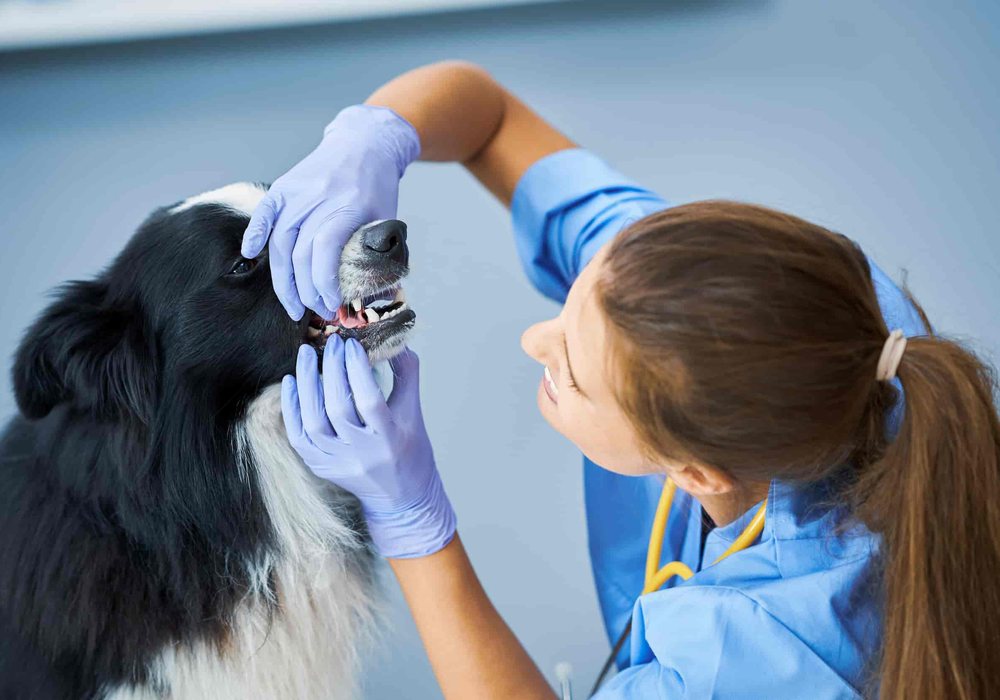
We X-ray every tooth, because two thirds of each one sits below the gum where you cannot see it. Then we scale, polish and chart the whole mouth. If a tooth needs to come out, we phone you first and wait for your yes.
"If you can only do one thing at home, lift the lip once a month. You will see trouble long before your pet tells you."
Dr. Maya Ellis
Keeping teeth clean at home
Brush for thirty seconds a day with a pet toothpaste, never a human one.
Choose chews you can dent with a thumbnail. Antlers and bones break teeth.
Book a cleaning when the gums look red or the breath changes, not when it gets worse.