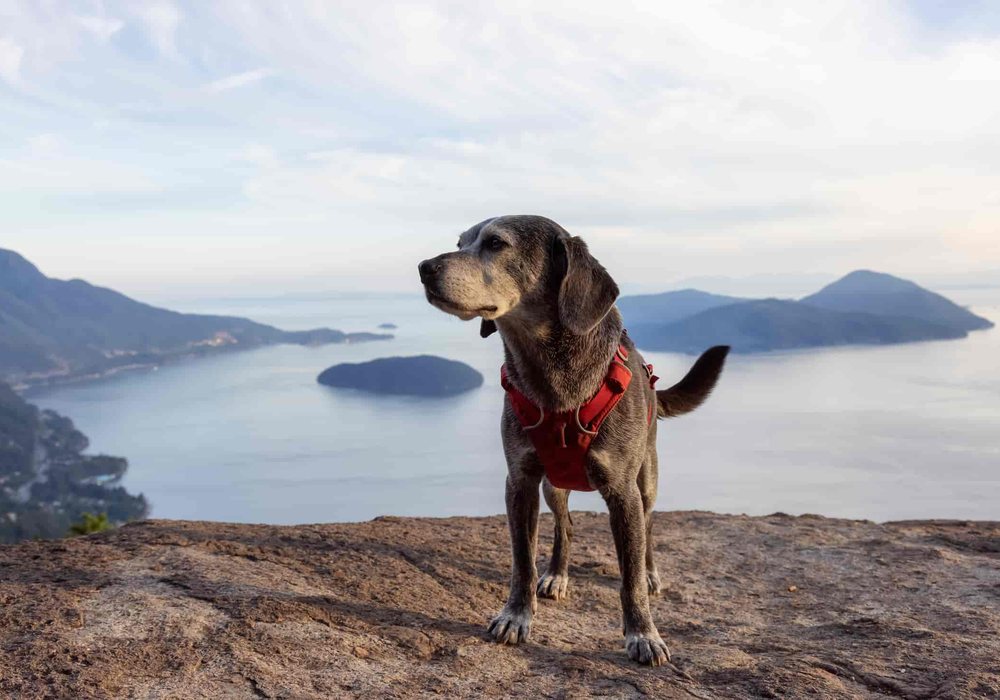
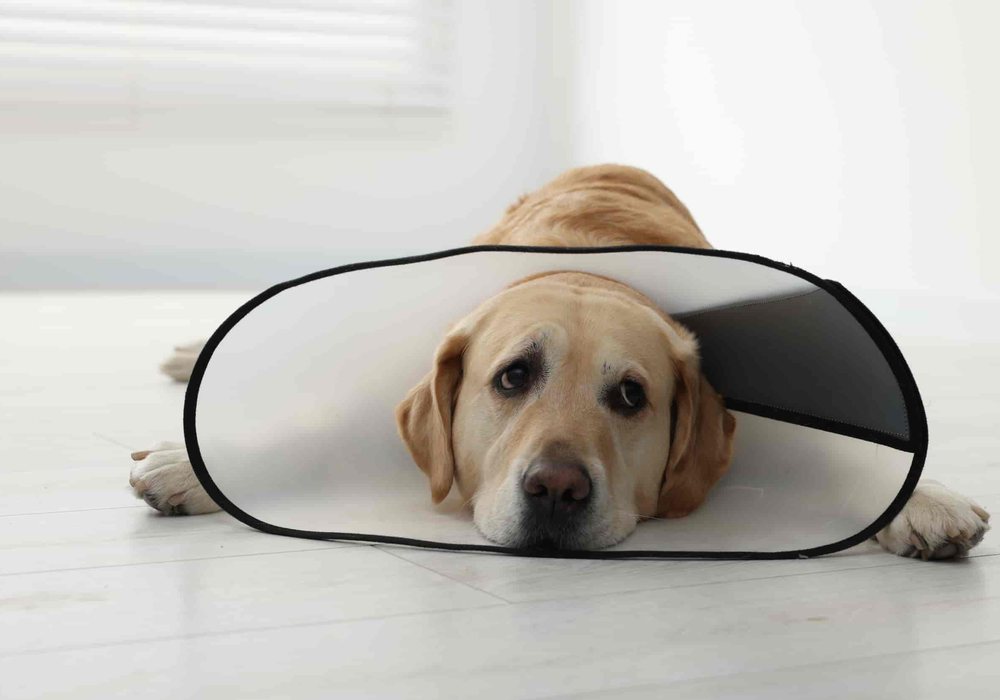
Older dogs slow down, but slowing down is not the same as hurting. Many of the signs owners put down to age are pain we can treat.
Seven signs that are not just age
Watch for a dog who hesitates at the stairs, stops jumping into the car, sleeps more, lags behind on walks, licks one joint, gets grumpy when touched, or struggles to stand after a nap.
Each one on its own can look like getting older. Two or three together usually mean arthritis, and arthritis responds well to treatment.
What we check at a senior visit
We watch your dog walk and sit, feel every joint, and check weight and muscle along the back legs. Senior bloodwork tells us whether pain relief is safe for the liver and kidneys before we start it.
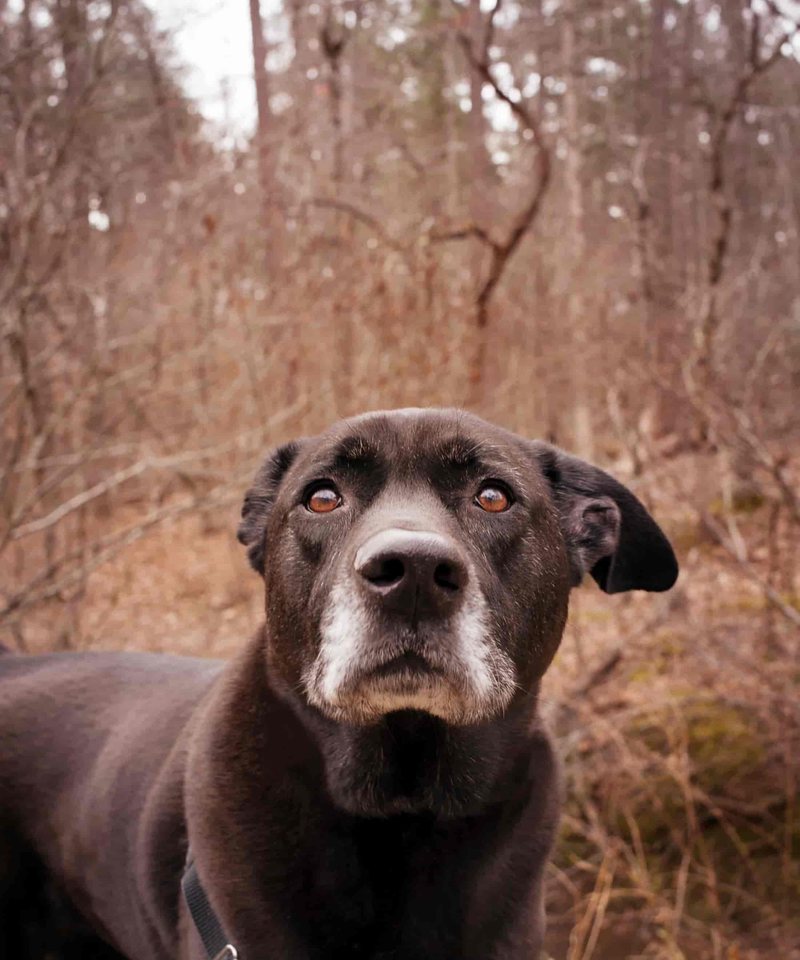
A grey muzzle is a reason to check in, not to give up.
Most dogs on the right pain relief walk further within two weeks. Owners often tell us their dog seems younger, which is really their dog without the ache.
"Old age is not a disease. Pain is, and we can do something about it."
Dr. Maya Ellis
Small changes at home that help
Lay rugs on slippery floors so your dog can stand without sliding.
Keep walks shorter and more often rather than one long one.
Book a senior check every six months once your dog is seven.