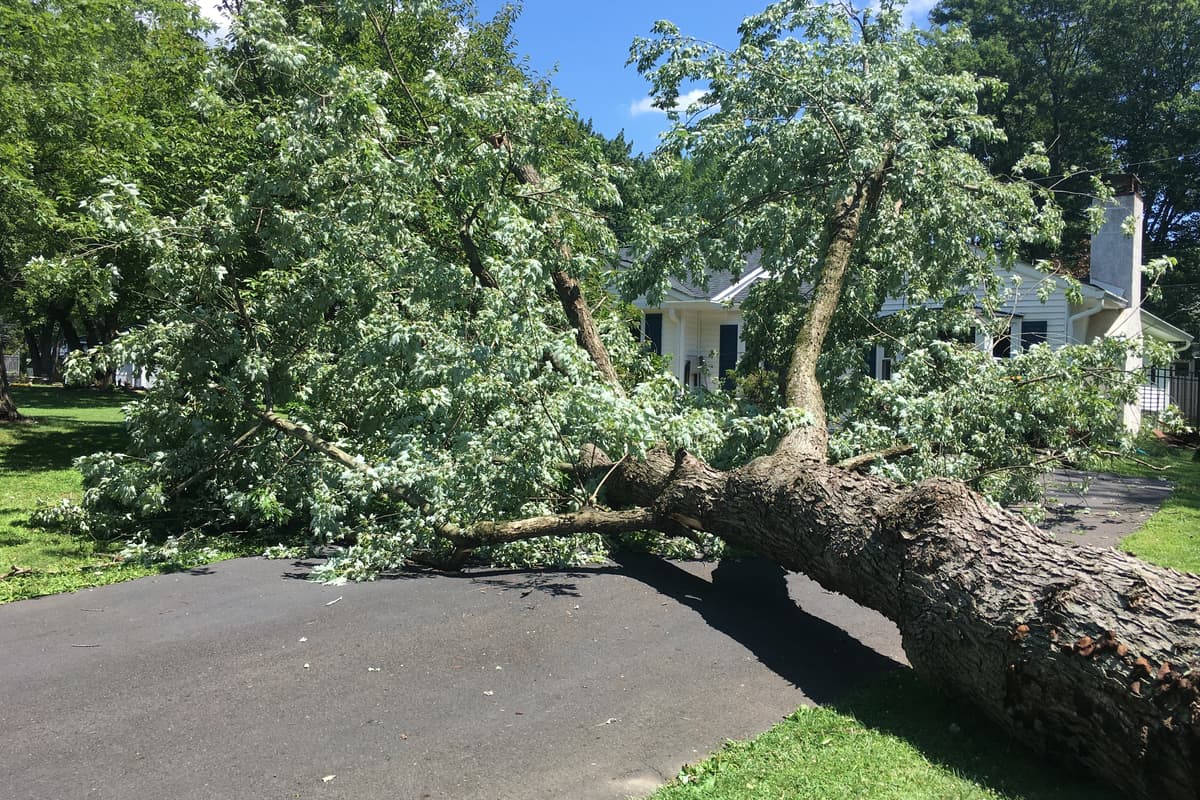
The dwelling limit pays to rebuild the house itself. It should follow what it would cost to build the same house again today, which is often far from what it sold for. The land under it is never part of the limit.
How the limit gets set
Most carriers run a replacement-cost estimate from the square footage, the year built, the roof and the finishes. Ask your advisor which details went in, and when the estimate was last checked against building costs in central Ohio.
The detached garage, the fence and the shed sit under other structures, usually a share of the dwelling limit. Furniture, clothes and the laptop sit under personal property.
Read the two lines on belongings together: the limit, and whether it pays replacement cost or actual cash value.
Replacement cost pays what a new sofa costs today. Actual cash value pays what your eight-year-old sofa was worth, which is much less. The difference only shows on claim day.
“Most first-time owners read the premium and stop. The four lines under it are the policy.”
Loss of use pays for somewhere to stay, and the extra costs of living there, while the house is repaired.
Liability is the line people skip
Liability covers you if someone is hurt at your home, or you damage someone else's property, and you are held responsible. Medical payments pay a guest's smaller medical bills, whoever was at fault. Many advisors suggest a liability limit at least as high as what you own.
Before your renewal: a five-minute check
1
Find the deductible, and decide whether you could pay it tomorrow.
2
Check the dwelling limit against today's cost to rebuild.
3
See whether belongings pay replacement cost or actual cash value.
4
Look for water backup, and ask about flood if you are near a creek.
5
Write down the renewal date, with a reminder a month before.
A declarations page lists what is covered. It rarely lists what is not. Flood and earthquake usually need their own policies, and water backing up through a drain is often an add-on.
If your basement is finished, or you work from home, ask about both before you need them.
This post is general information, not advice for your policy. Coverage varies by policy, carrier and state; your declarations page and policy wording decide.